Uganda is the trip that changed how I travel. I went solo, and I came home with a fuller heart and a much clearer idea of why I travel at all: to really experience a country for what it is — its wildlife, its people, its villages — and to give something back while I am there. This is my own account, in my own photographs. I am sharing it so you can plan your own trip with confidence; I do not sell trips or take bookings.
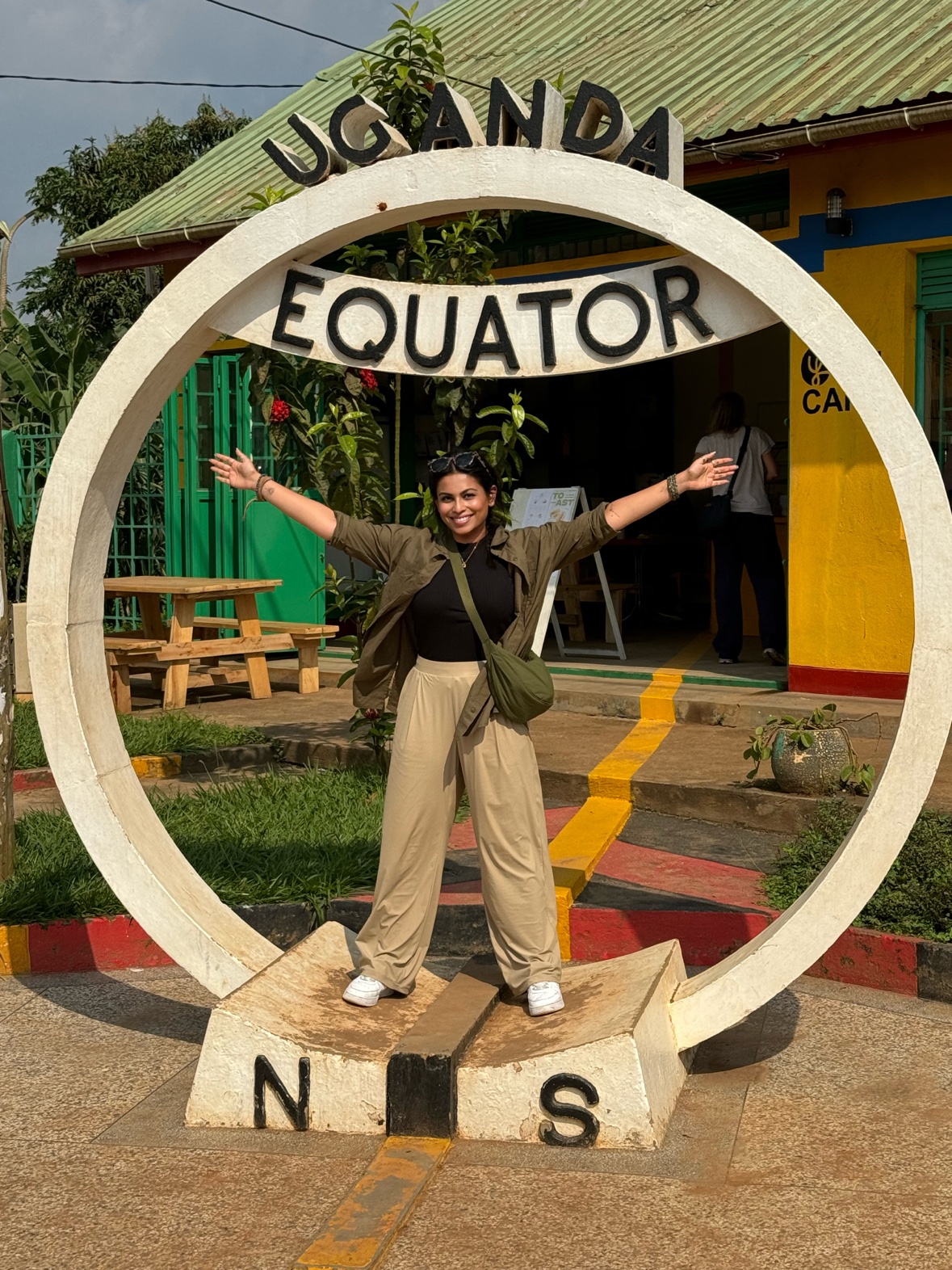
Crossing the Equator in Uganda felt like a proper milestone — one foot in each hemisphere, and a reminder of how far from home I had travelled on my own. If you are a woman wondering whether you can do a trip like this solo: you can. Plan well, listen to local advice, and trust your instincts.
Wildlife
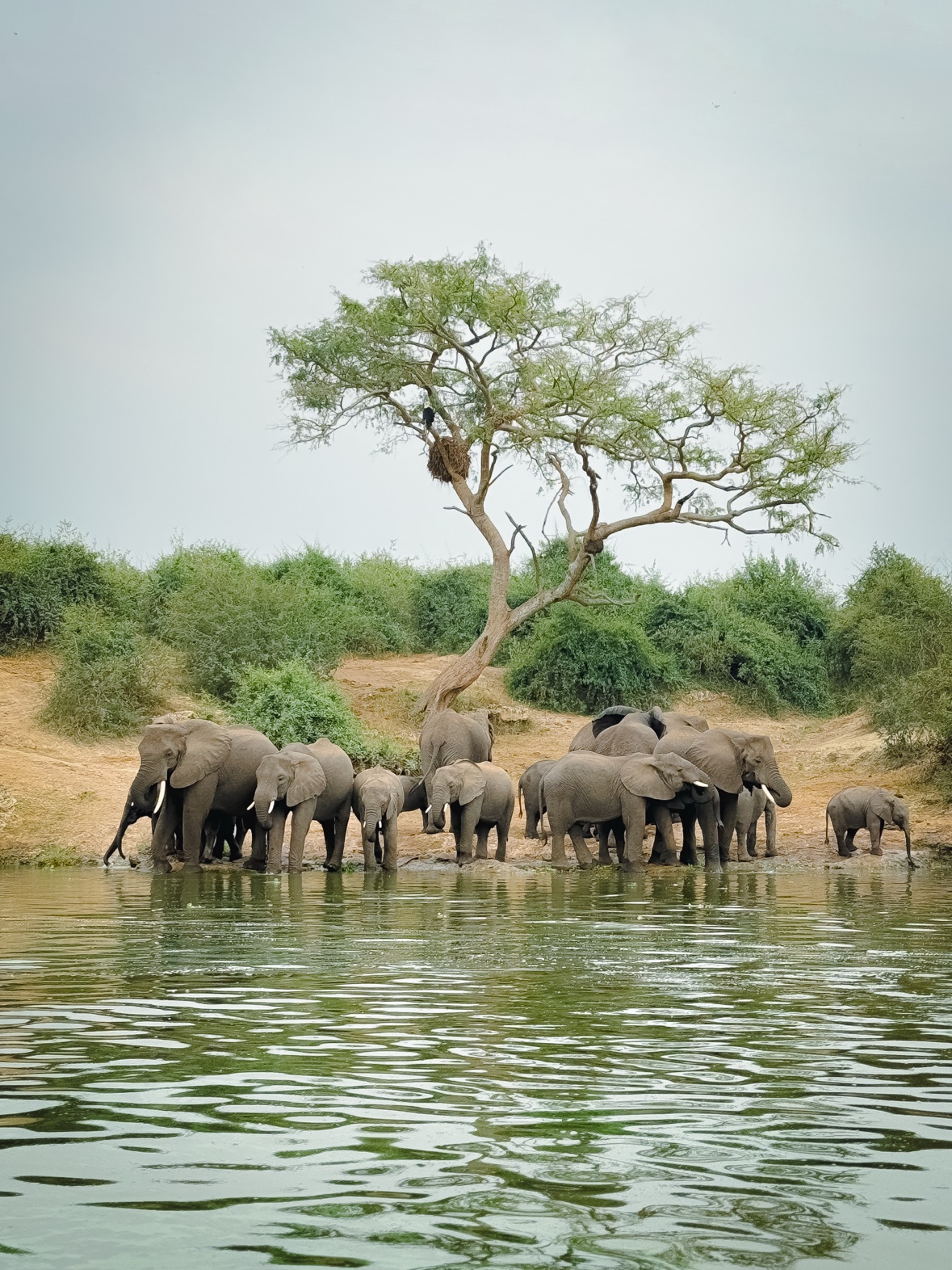
Uganda’s wildlife is extraordinary, and it is wild in the truest sense. A herd of elephants came down to the water while I watched, unhurried and completely in charge of their own ground. I kept my distance, stayed quiet, and let them set the pace — that is the whole point of being there.
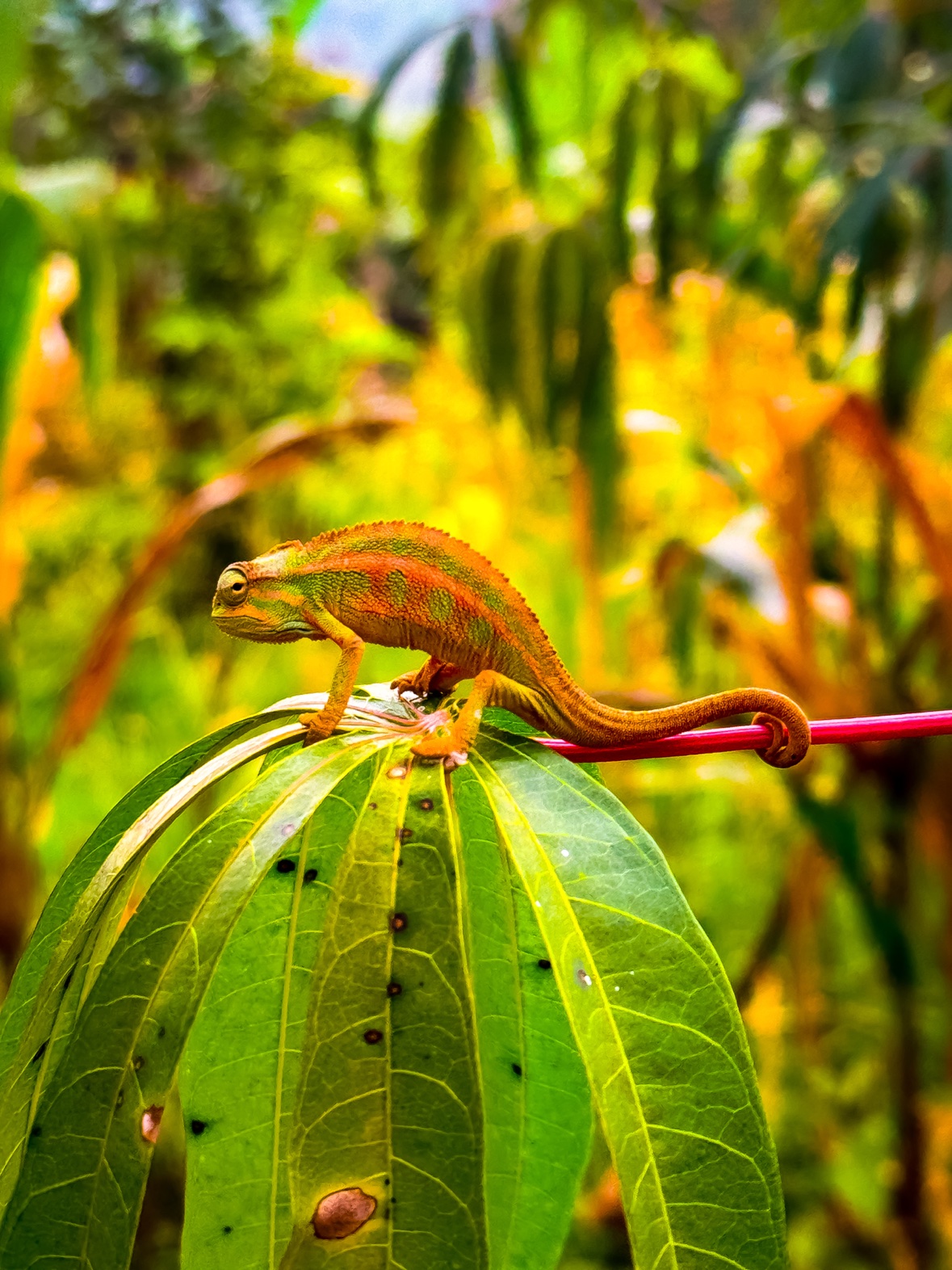
It is not only the big animals. This chameleon was one of my favourite sightings — small, perfectly camouflaged, and a reminder to slow down and look properly instead of rushing from one big sighting to the next.
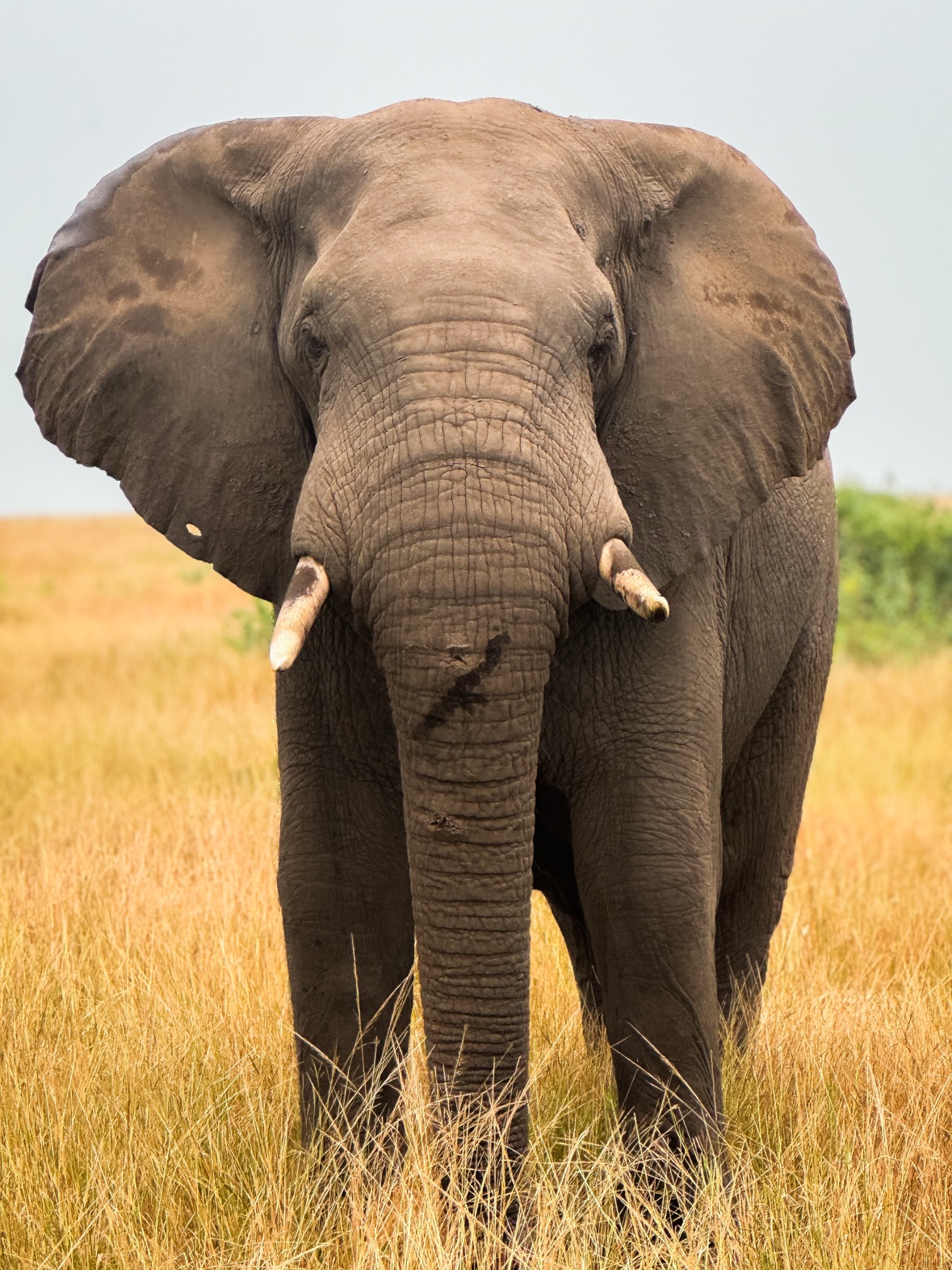
This close-up is of the elephant who chased me. He was in heat, and I learned very quickly that wild animals deserve real respect and real space. I was lucky, I was with people who knew what to do, and I have never forgotten the lesson.
Wildlife Protection
Seeing these animals in the wild made me care far more about protecting them. Uganda’s wildlife survives because of rangers, trackers, local communities and visitors who follow the rules — keeping a distance, staying quiet, not feeding animals, and choosing guides and visits that put the animals first.
If you go, choose carefully: visit with licensed local guides, follow every rule even when it feels strict, and remember that your ticket and your choices can help fund the protection of the animals you have come to see. That is part of giving back, too.
Gorillas
Meeting the gorillas in Bwindi Impenetrable National Park was the most moving part of my whole trip — and the part I had thought about most before I went. I grew up inspired by Jane Goodall, and in Uganda I learned about the work of Dr Gladys, a Ugandan veterinarian and conservationist, whose work with gorillas and with the communities living around them has helped protect these animals. Their example is a big part of why I want to raise awareness for gorilla protection here.
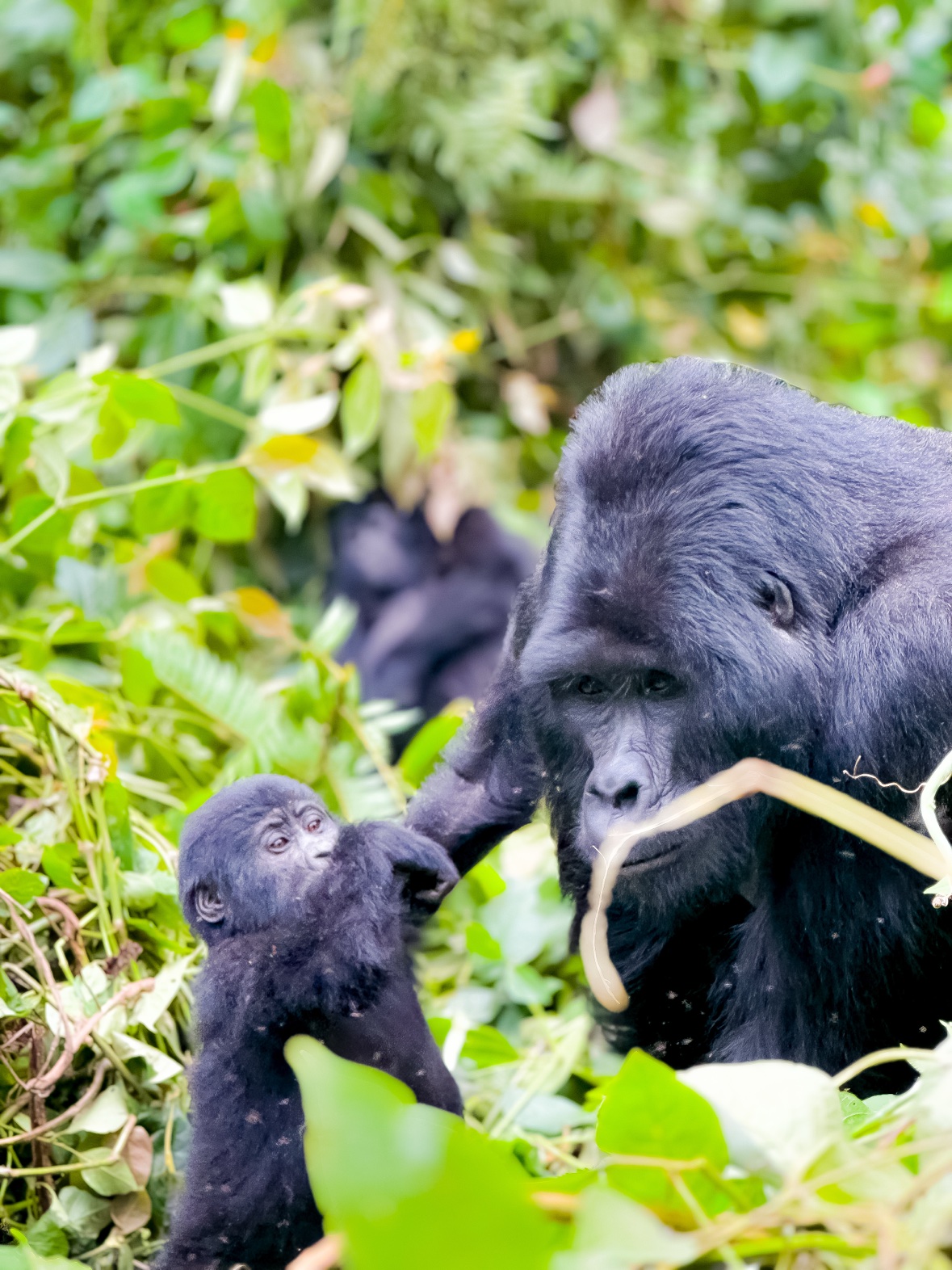
Watching a mother with her baby, so calm and so close to us yet completely in her own world, is something I will never forget. It also made the responsibility of being there feel very real: we were guests in their forest, for a short time, on their terms.
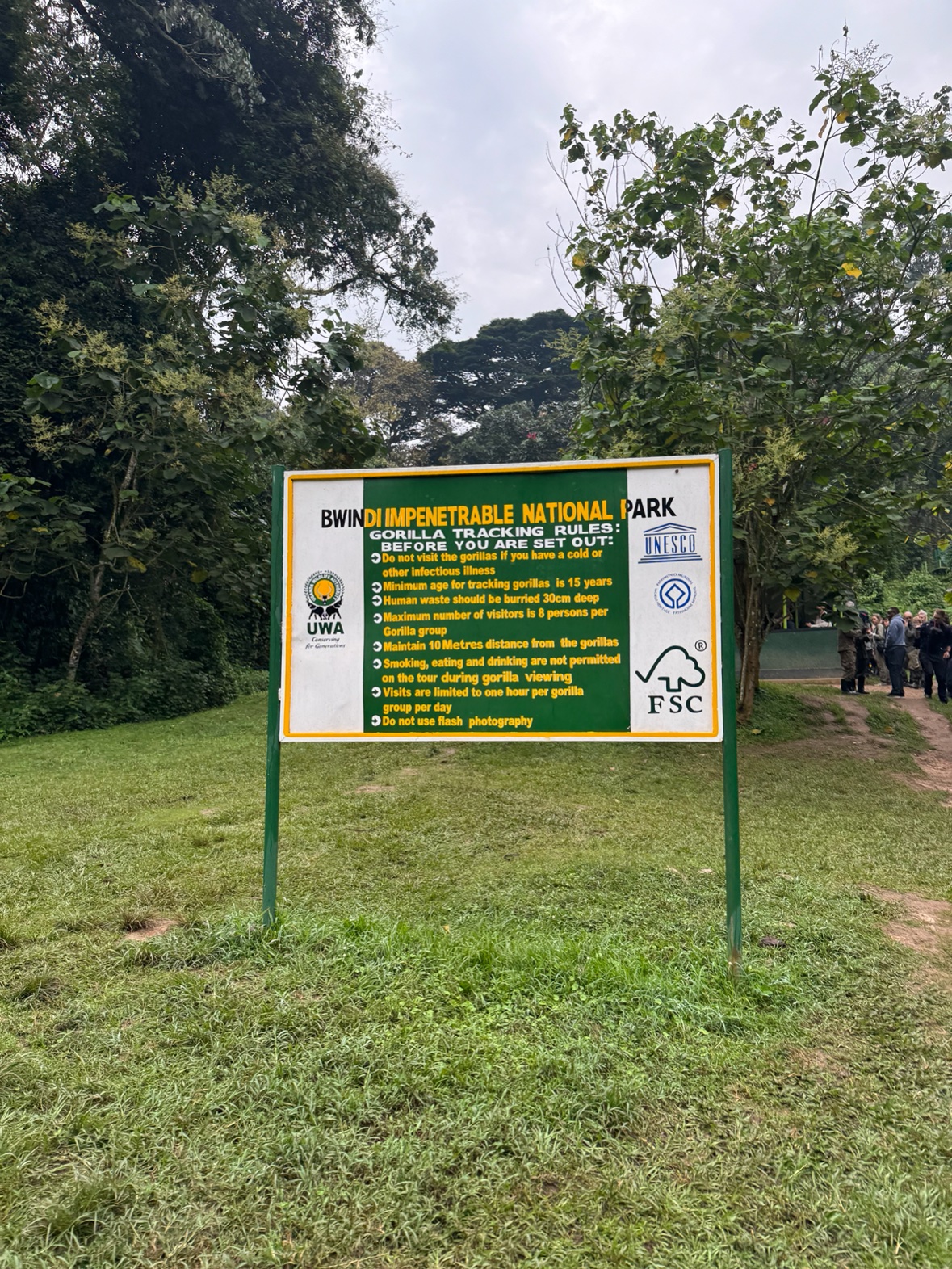
Gorilla tracking is carefully controlled, with rules about group size, time with the gorillas, distance, health and behaviour — and they are there for the gorillas’ protection, not for our convenience. Plan ahead, go with licensed local guides, and follow the rules exactly. If you are unwell, stay away: gorillas can catch human illnesses. Raising awareness matters: the more people who understand how fragile and how precious these animals are, the better their chance of surviving.
People
The people of Uganda are the reason I would go back tomorrow. Everywhere I went, I was welcomed with warmth, humour and curiosity — and as a solo woman travelling alone, that welcome mattered enormously. People looked out for me, shared their food and their stories, and taught me far more about their country than any guidebook could.
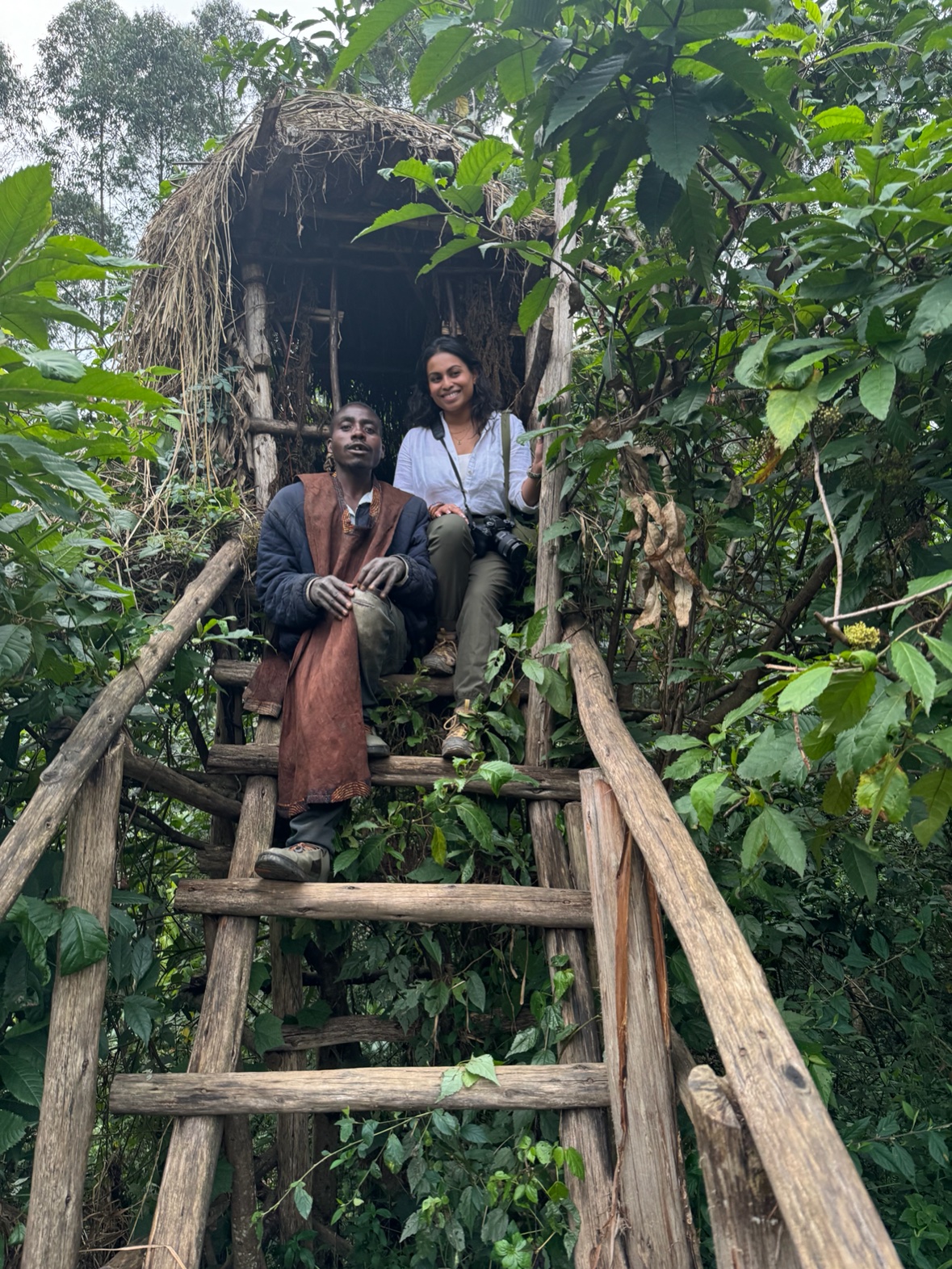
Villages
Visiting the villages was the heart of the trip for me. This is where you really experience Uganda for what it is — not from a distance, but sitting with people, learning how they live, and joining in where you are invited to.
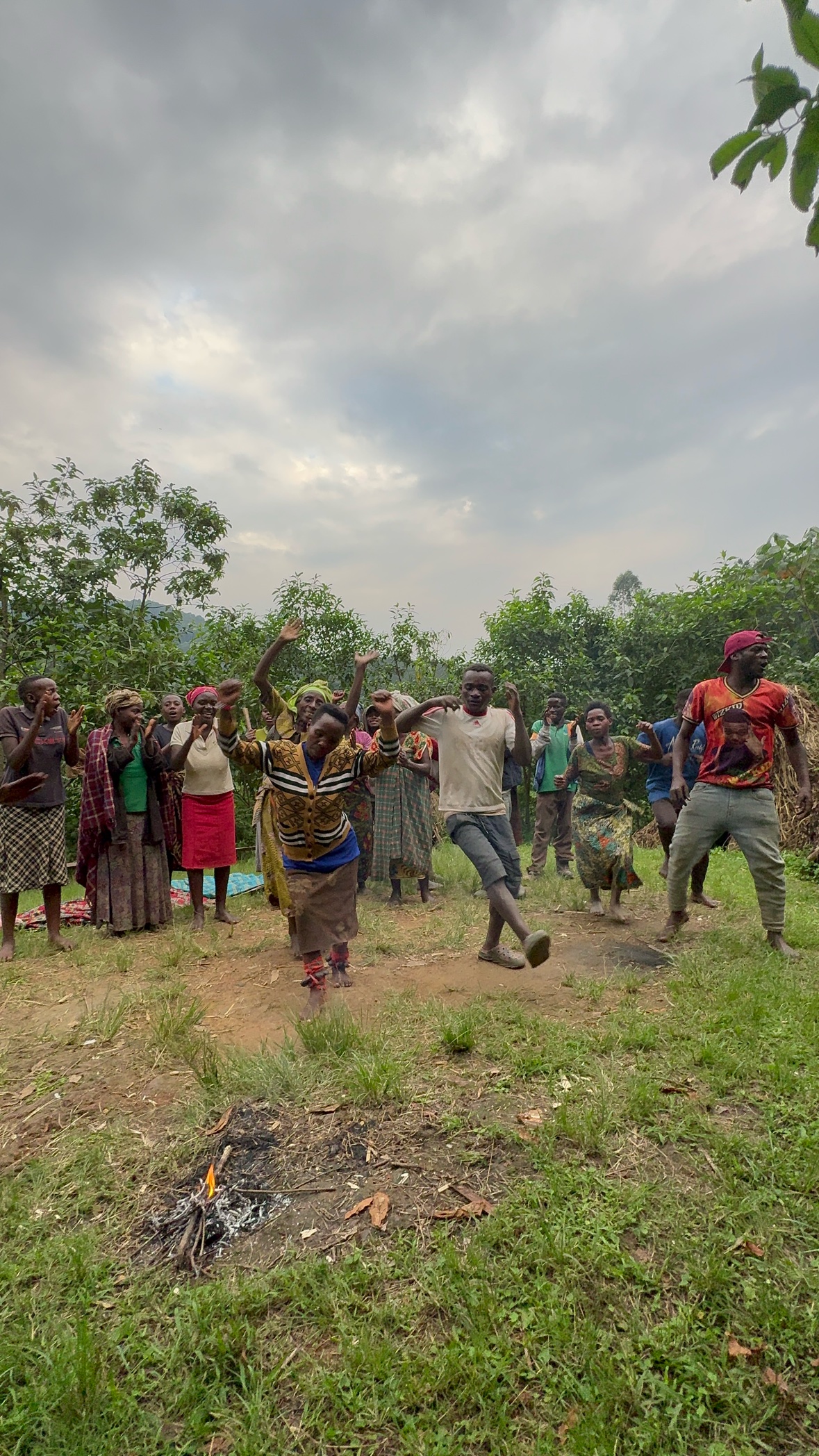
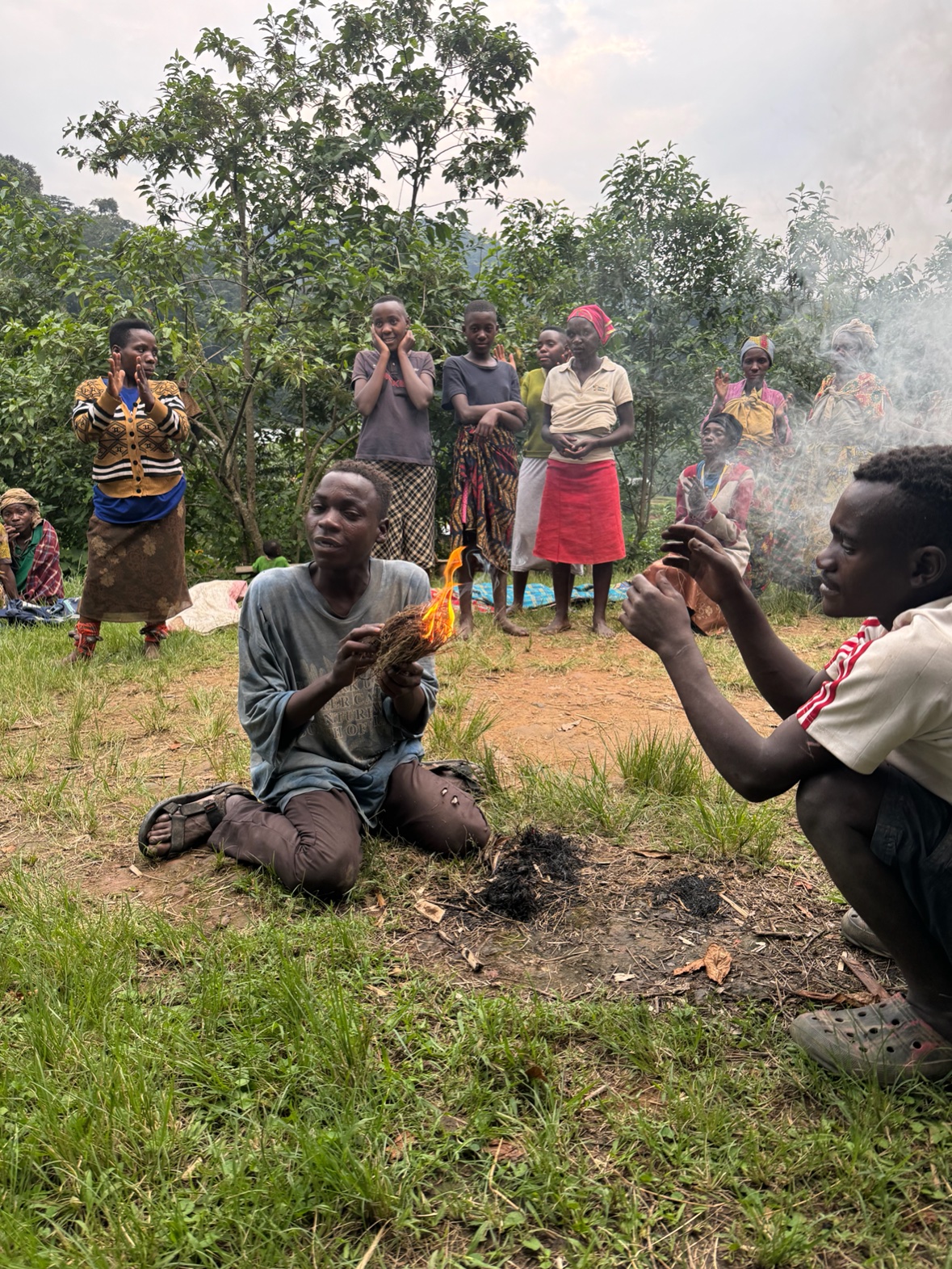
I watched villagers dance, and learned how fire is made by hand — skills passed down through generations, shared generously with a visitor who was happy to listen and learn. Go with respect, ask before you take photographs, and take time to talk: that is how a visit becomes a real exchange, not just a stop on a route.
Medical care at the villages
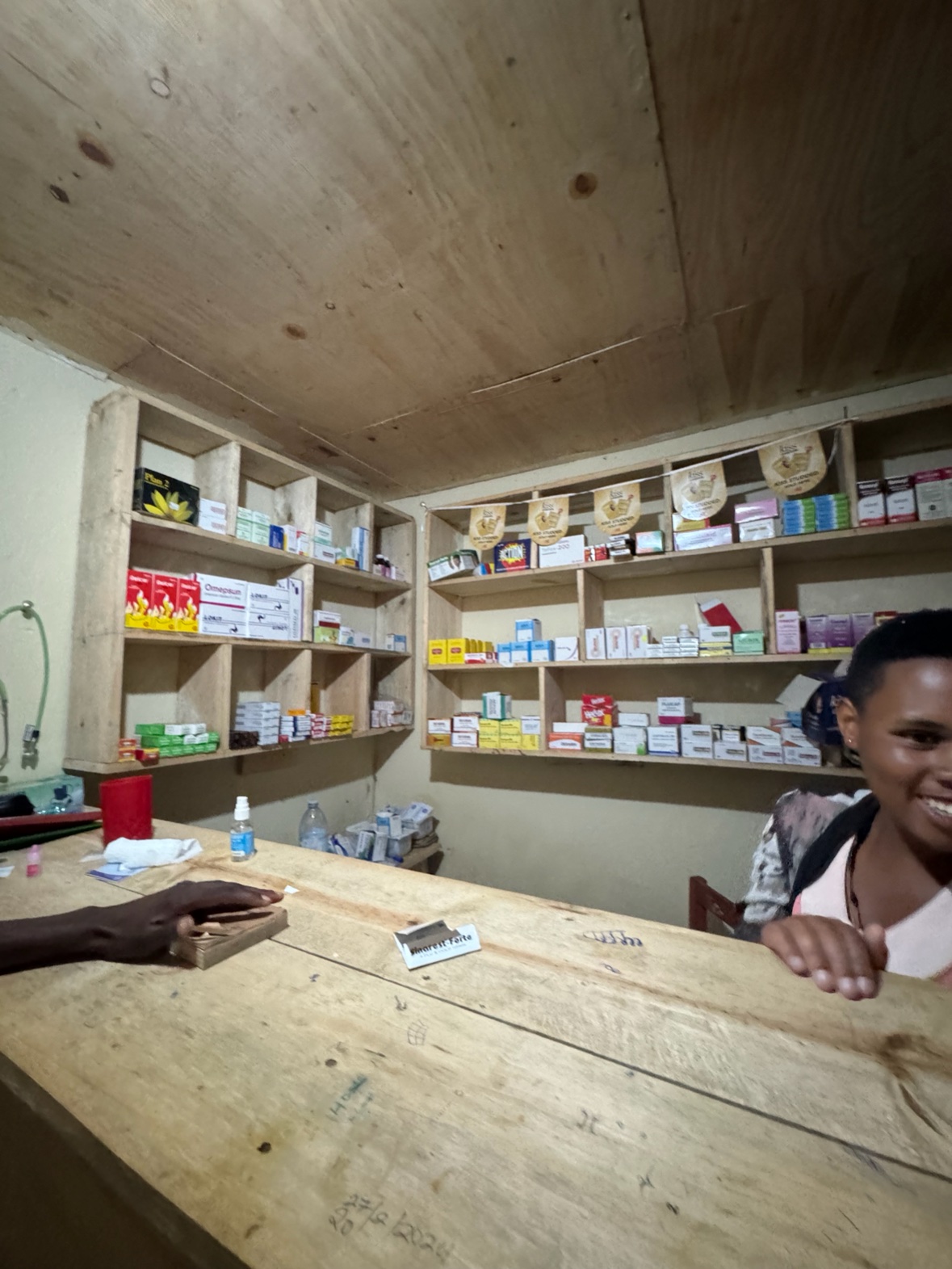
One of the most humbling things I saw was how much is done with how little. Village pharmacies and medical supplies are precious, and basic medicines and supplies that we take for granted at home can make a real difference here. This is why giving back is part of how I travel: before I go, I find out what local charities need, and I bring those things with me. If you visit, ask what is genuinely needed before you bring anything — and give through local people and charities who know their community best. You can read more on my Give Back page.
The City
Uganda’s cities are busy, colourful and full of life — markets, music, traffic and people going about their day. They are a completely different side of the country from the forests and the villages, and worth time of their own. As a solo traveller, I planned my city time carefully: I stayed somewhere I felt comfortable, kept my valuables out of sight, used transport recommended by people I trusted, and headed back before it got too late. Cities are where confidence and common sense work together — enjoy them, stay aware, and ask local people for advice.
Funny Stories
Some of my best Uganda memories are the ones that went gloriously wrong — and I will tell them properly here soon.
The elephant who chased me. The elephant in the close-up photograph above was in heat — and he decided I was far too close. I ran. I will tell the full story soon, but the short version is: give elephants a lot of space, and listen to your guide the first time.
Banana gin and the witch doctor’s hut. I drank banana gin at a homemade brewery, and somehow ended up in a witch doctor’s hut. The full story — how I got there, and how I got out again — is coming soon.
Back to the homepage · Must-see Spots · Pro Travel Tips · Give Back
Murchison National Park — the Victoria Nile
Murchison National Park, on the Victoria Nile, is another side of Uganda — wide water, big landscapes and wildlife all around. It is a place to take slowly, with a guide who knows it well, and to enjoy being out in the open.
Food from scratch at my guide’s aunt’s place
One of the best days of the whole trip was not a sighting or a viewpoint — it was an invitation. My guide took me to his aunt’s place, to make food from scratch, with goat meat, and farming. We prepared everything by hand, from the start, and I learned far more in that kitchen and on that farm than I would have from any restaurant.
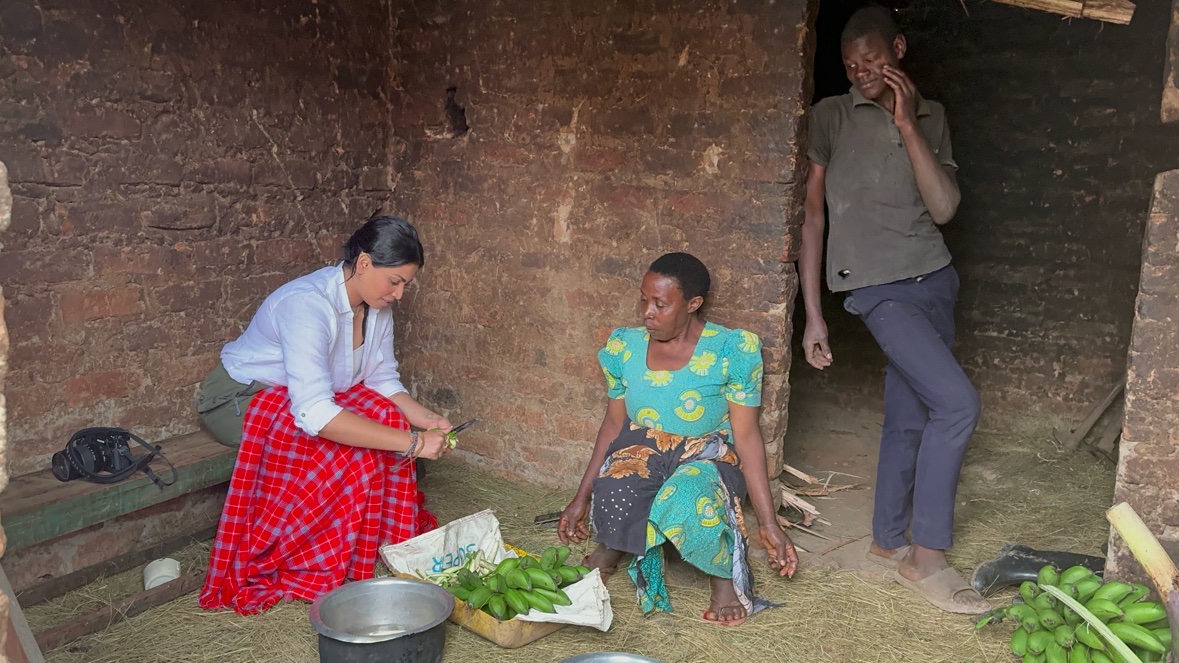
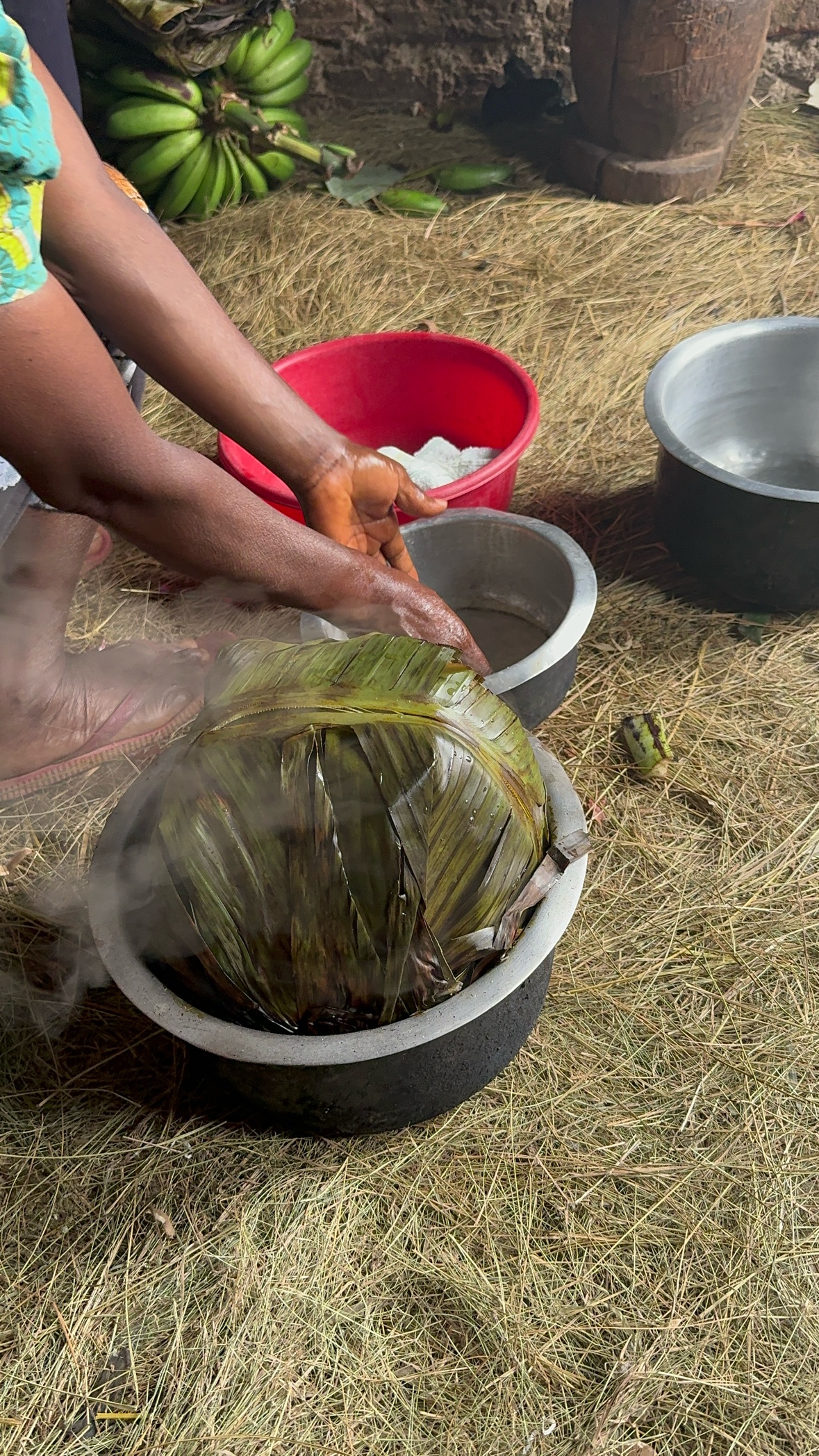
The food was cooked steamed in banana leaves — a way of cooking I had never seen up close before. Peeling, preparing, wrapping and steaming: nothing was rushed, and everything was made from scratch.
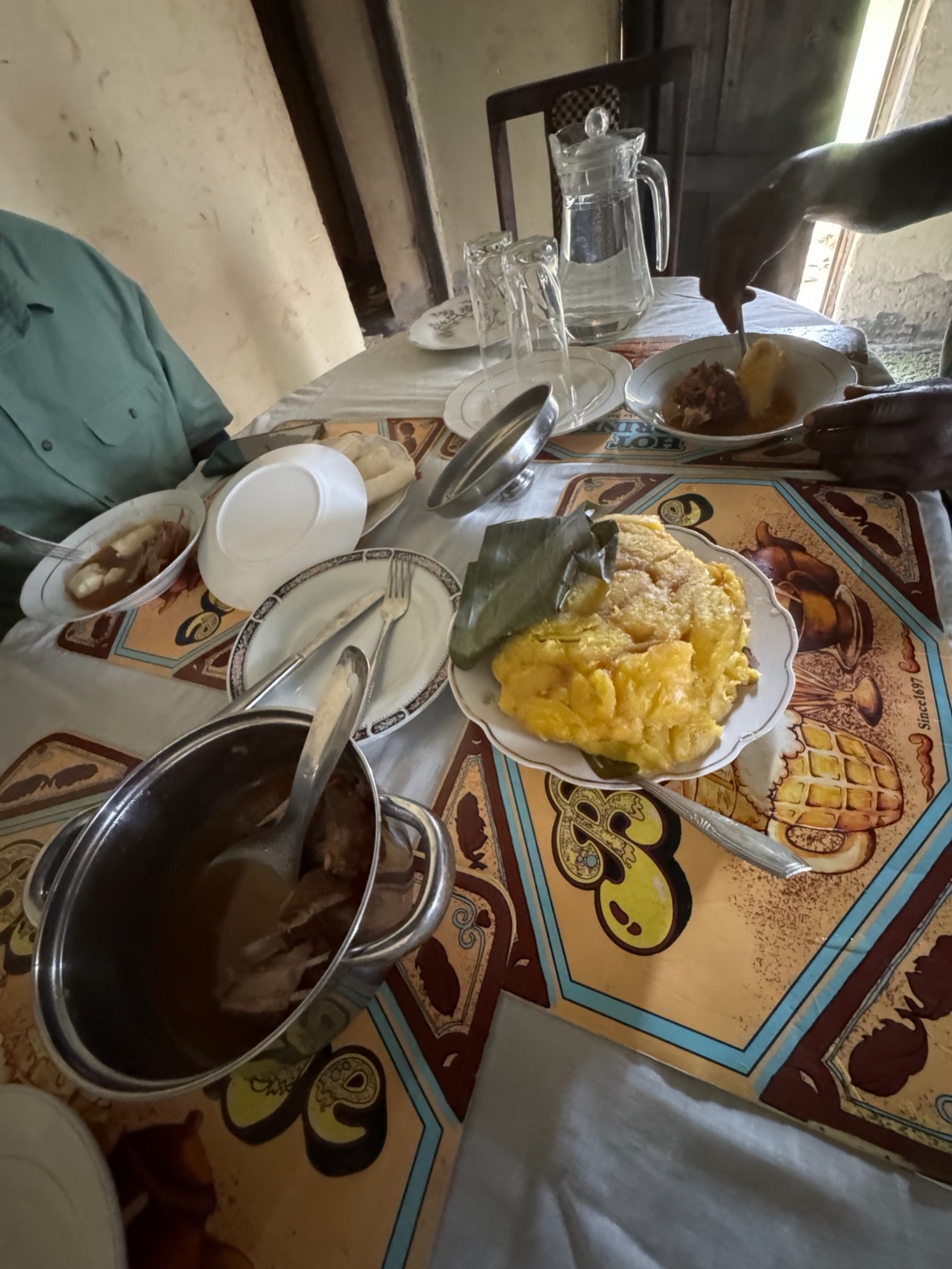
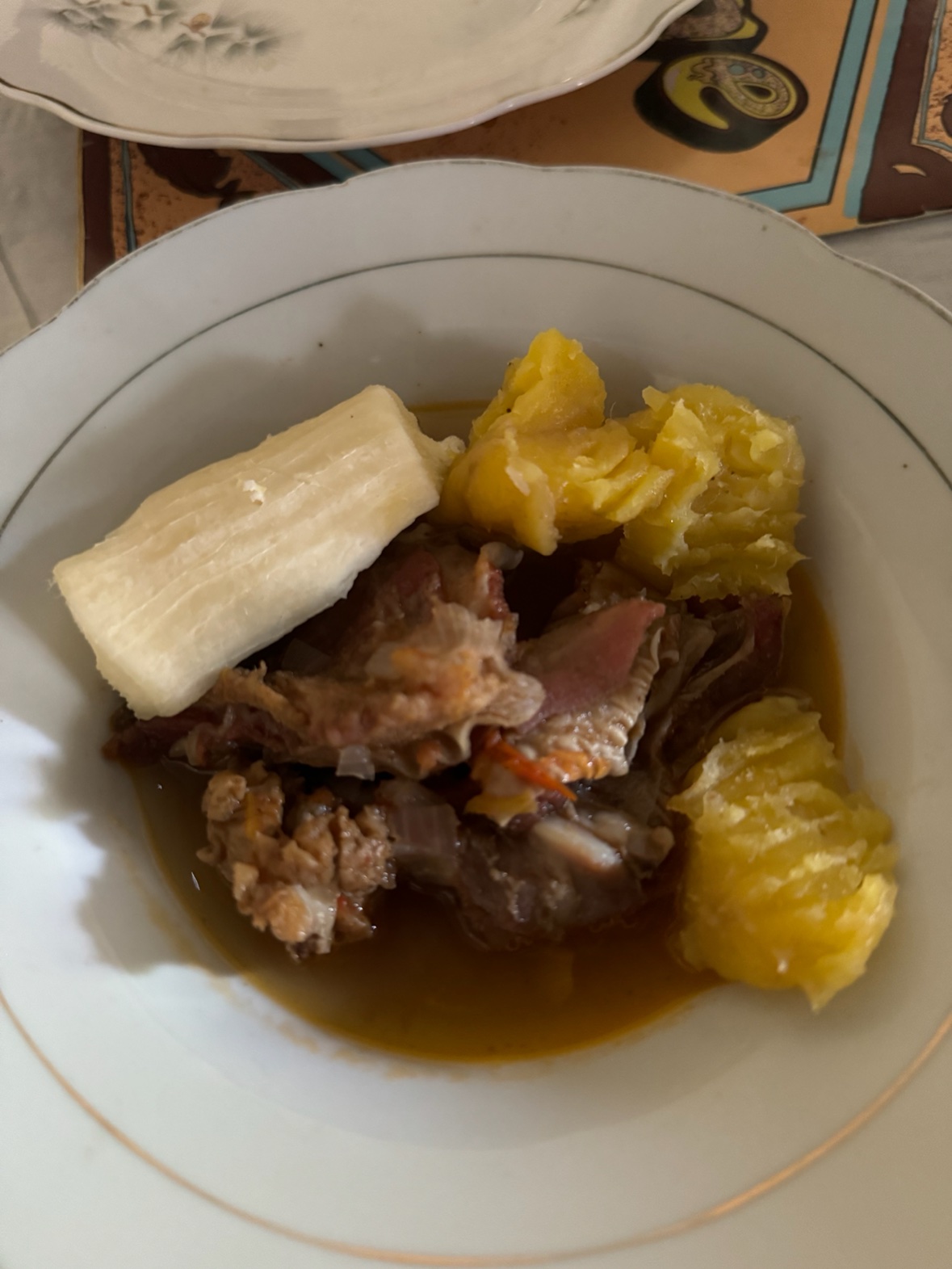
What we made, and ate together, was goat meat with matoke and cassava. It was simple, generous and delicious — and sharing it, in someone’s home, is exactly the kind of real experience of a country that I travel for.
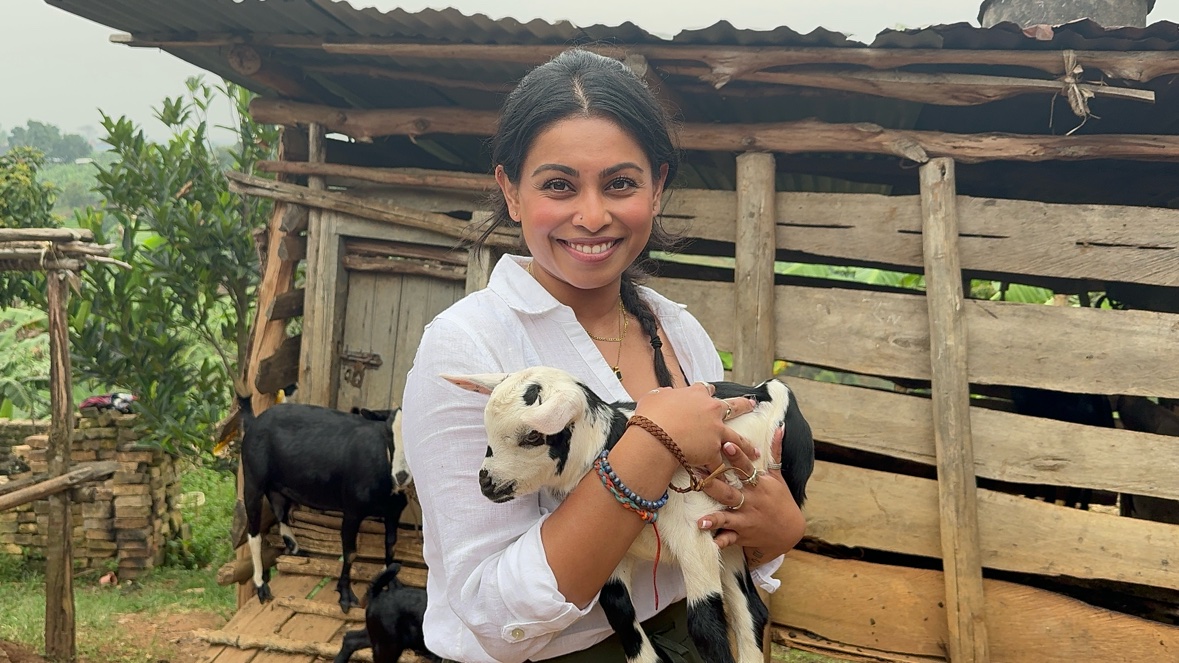
On the farm, I even got to hold a baby goat. It was one of those small, joyful moments that stay with you long after the trip is over.
Baskets, crafts and the Batwa
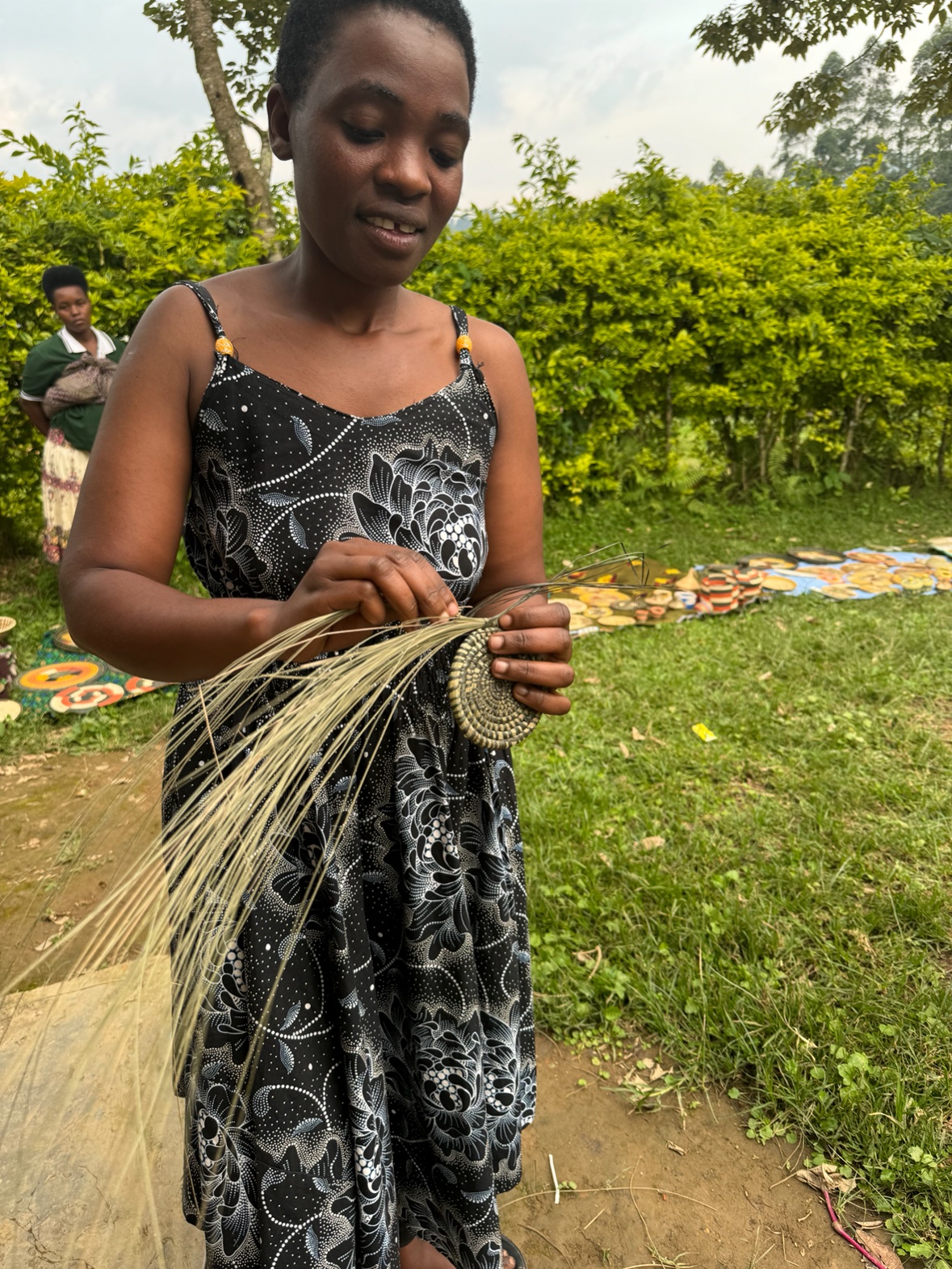
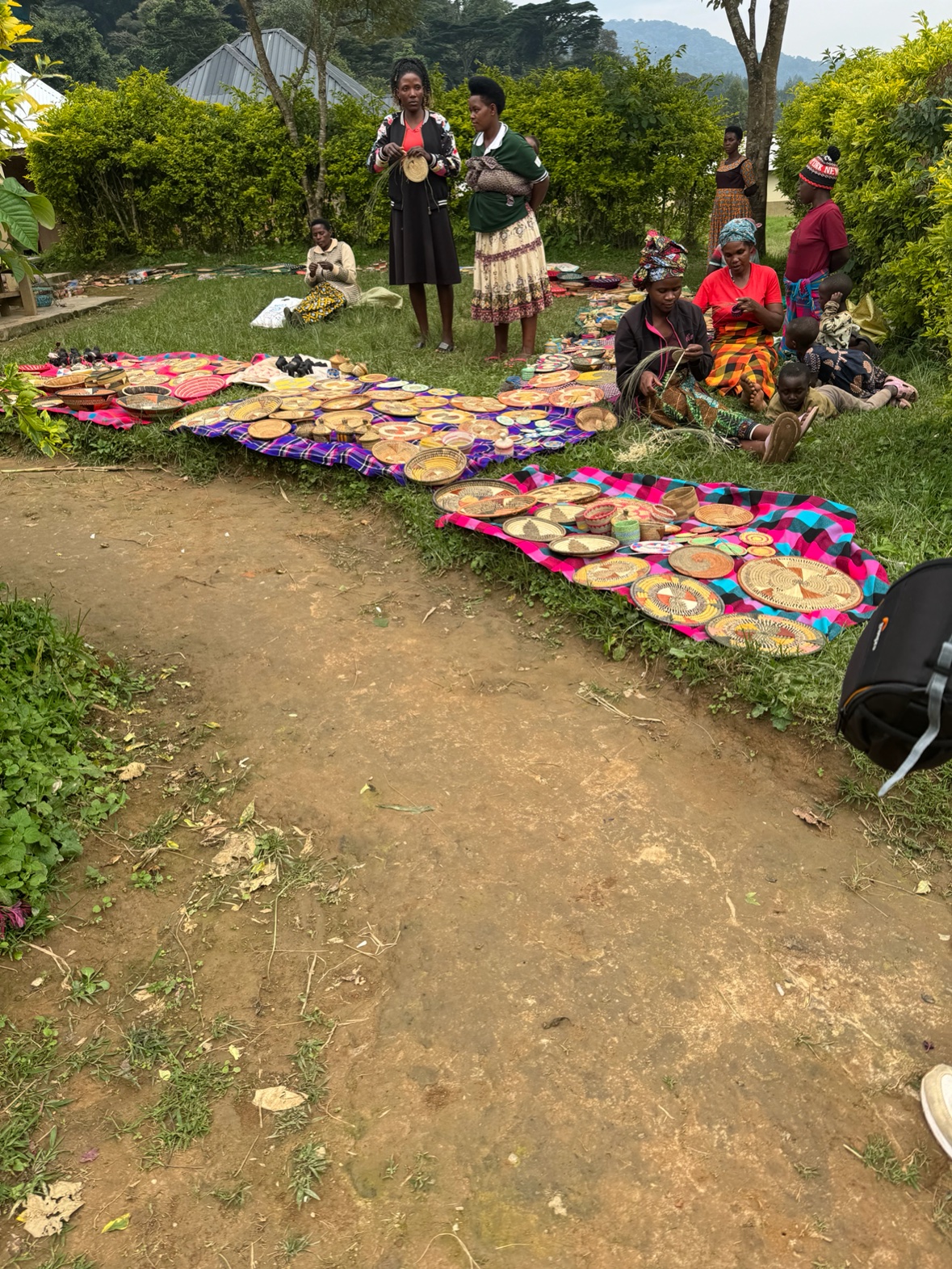
I watched women weaving baskets by hand, and saw their woven baskets and crafts laid out — skilled work, made with patience and pride. Buying a craft directly from the person who made it is one of the simplest ways to give back: your money goes to the maker, and you take home something with a real story behind it.
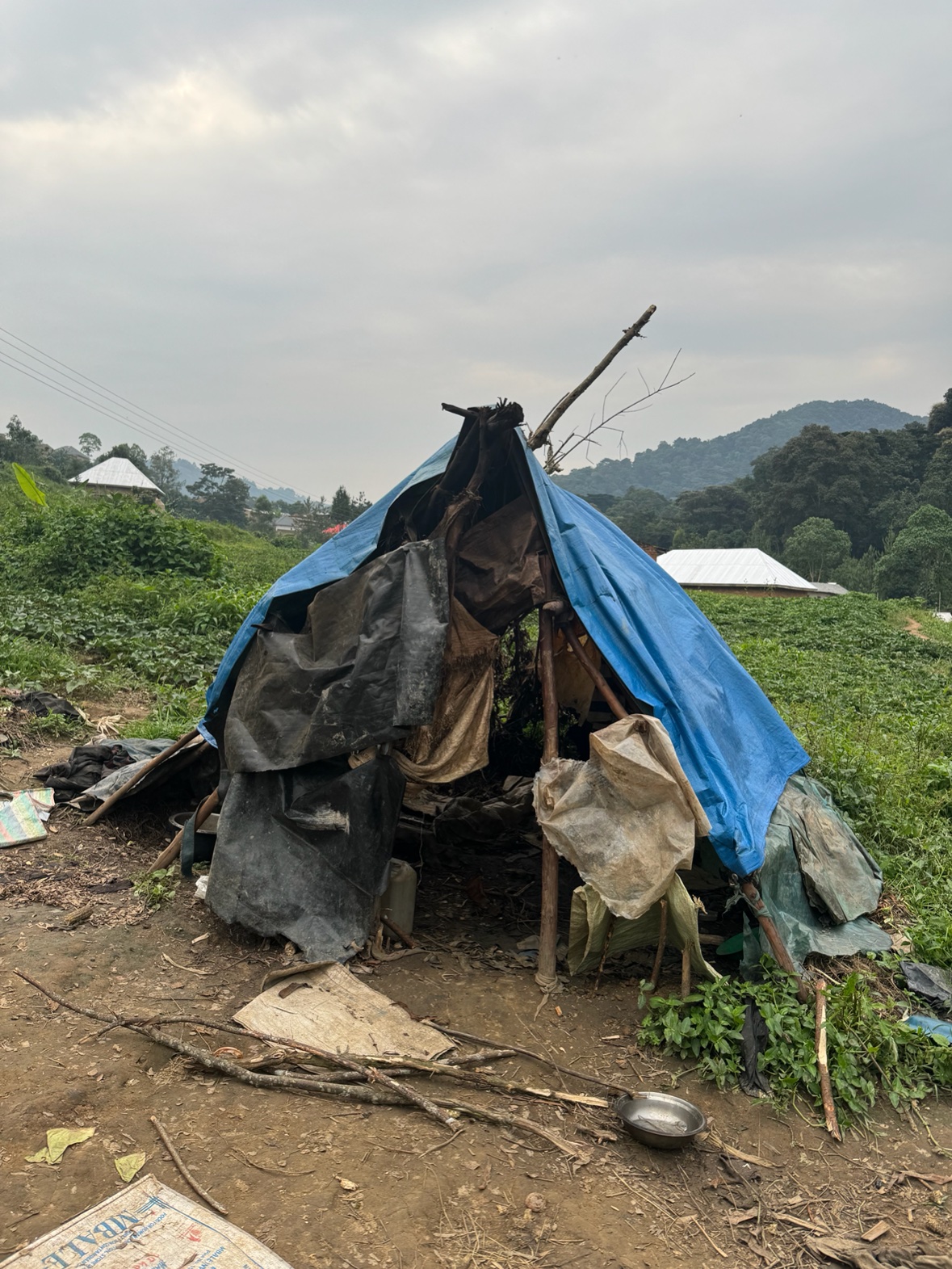
The Batwa and giving back
Learning about the Batwa — the Indigenous people of the forests of this region — was an important part of the trip for me. The BIEO Batwa Organisation works to support Batwa communities, and its workplan for 2020–2025, shown below, sets out what it aims to do. You can find out more at www.batwaorganisation.com.
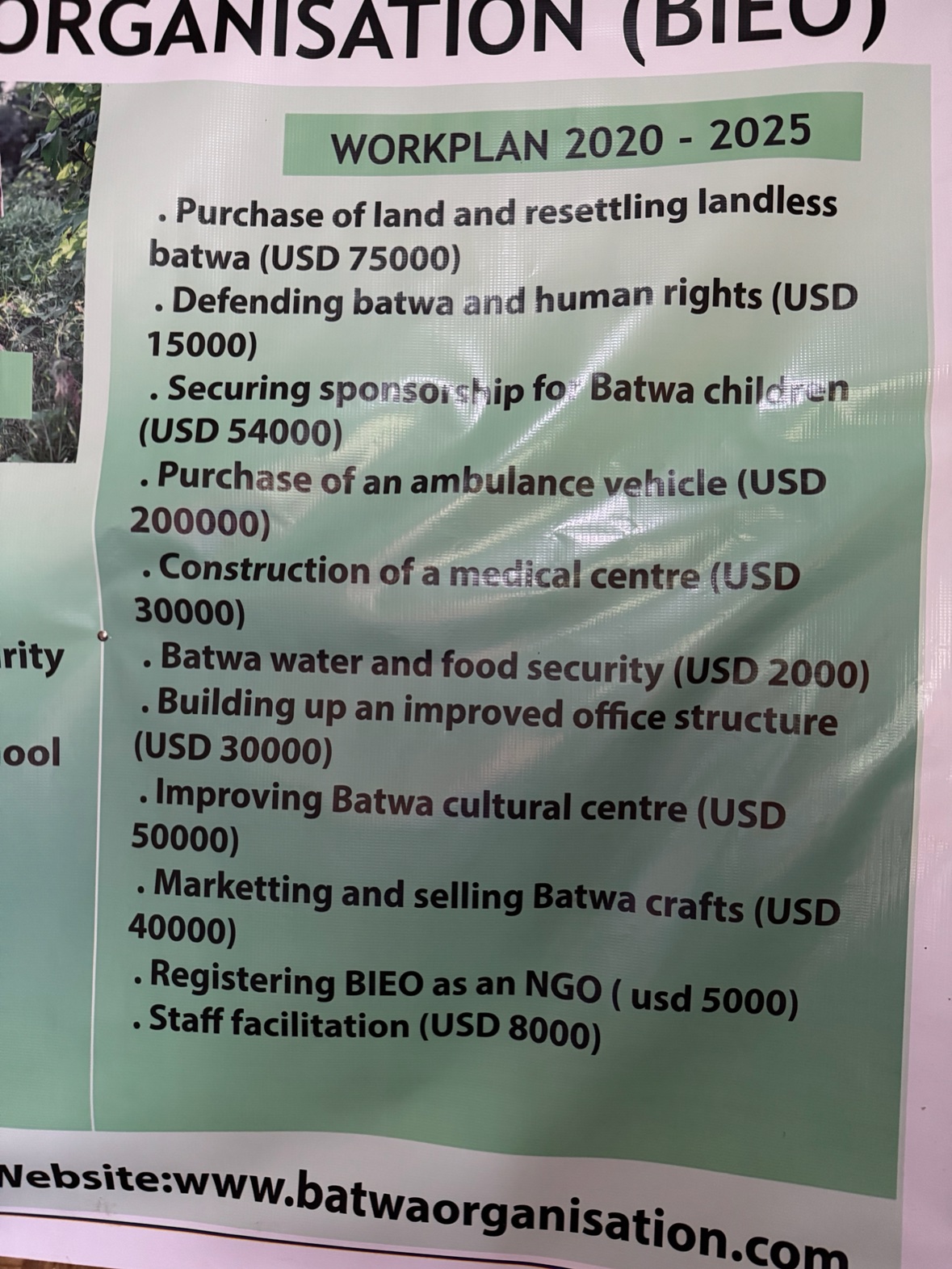
The workplan covers:
- Land for landless Batwa
- Defending Batwa human rights
- Sponsorship for Batwa children
- An ambulance
- A medical centre
- Water and food security
- A cultural centre and crafts
That list is why giving back matters to me — land, health, education, water and food, and the chance to keep culture and crafts alive. If you visit, please support Batwa communities respectfully, through the organisations and people who know their community best. You can read more about how I give back on my Give Back page.
Back to the homepage · Must-see Spots · Pro Travel Tips · Give Back

